
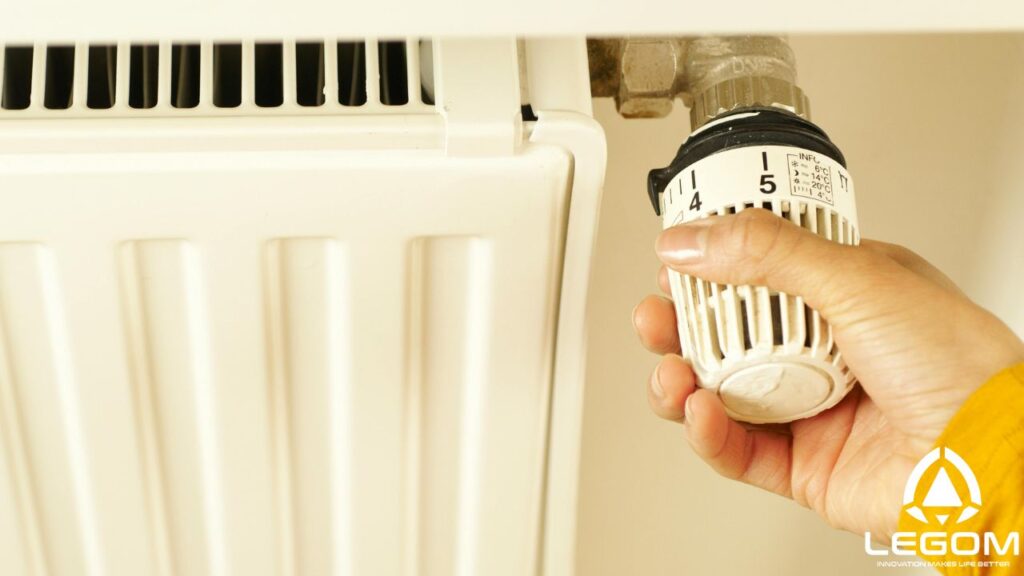
Thermostatic radiator valves are devices that technicians install on individual radiators. These valves control the flow of hot water to the radiator based on the room temperature, and users can easily adjust the room temperature to their preference. The TRV adjusts the radiator’s heat output to maintain that temperature, ensuring the room remains at a consistent and comfortable level.
Thermostatic radiator valves typically feature a rotary knob or a digital setting. These valves automatically adjust to maintain the desired temperature by regulating the flow of hot water through the radiator. By controlling the radiator’s heat output, these valves help save energy by preventing excessive heat in rooms that do not require much warmth. This, in turn, leads to a reduction in energy consumption and operating costs. According to the Energy Saving Trust, fitting thermostatic radiator valves to all radiators in a home can reduce heating bills and carbon emissions significantly by ensuring each room is only heated to the level it actually needs.
Types of Thermostatic Radiator Valves
There is separate control between each thermostatic radiator valve. Therefore, you can prioritize heating in the rooms you use frequently while reducing heating in others.
Thermostatic radiator valves are a simple but effective upgrade to improve comfort and energy efficiency in homes with central heating systems. These valves regulate the temperature in the radiator, optimizing heating efficiency and comfort. With better temperature control in various rooms, you will be able to reduce heating bills because the system only operates when you need it. It can also help reduce carbon emissions by using energy more efficiently. There are several types of thermostatic radiator valves that technicians usually install.
| Feature | Mechanical TRV | Electronic TRV |
|---|---|---|
| Operating mechanism | Wax or fluid thermostatic element | Electric sensor and control system |
| Power required | No (fully passive) | Yes (battery or mains) |
| Temperature display | No (numbered dial only) | Yes (digital display) |
| Schedule programming | No | Yes |
| Smart home compatibility | No | Yes (many models) |
| Relative cost | Low | Higher |
| Best for | Budget-conscious upgrades, simple installations | Modern homes, multi-zone smart heating |
Mechanical TRV
This is a cost-effective type of radiator valve. This valve is very simple, using a wax or temperature-sensitive fluid element to control the valve. This fluid-filled sensor will respond to the room temperature. When the temperature increases, the element expands.
The element will then push the valve mechanism, reducing the flow of hot water to the radiator. This helps prevent overheating. Conversely, when the room temperature drops, the element contracts, allowing more hot water to flow through the radiator and increasing heat output.
There is a dial or knob with numeral settings (usually from 1 to 5) on thermostatic radiator valves that allows the user to select the temperature that they find most ideal. However, the exact temperature setting can vary by manufacturer, as it is more of a relative scale.
Electronic TRVs
Electric thermostatic radiator valves offer more sophisticated and precise control over heating than traditional mechanical TRVs. Although they are more expensive and power-dependent, their energy efficiency, convenience, and intelligent capabilities make them an excellent choice for those seeking a modern solution to optimize room comfort. They can also help reduce heating costs.
These valves come with advanced features such as temperature displays and remote control. This is an upgraded version of the traditional mechanical TRV, combining the functionality of a thermostatic valve with the precision of an electric sensor and control system. Ultimately, electric valves provide greater accuracy and ease in regulating room temperature.
Electric thermostatic radiator valves are ideal for homes with central heating systems that require a higher level of control over room temperature. Users can manage the heating in each room individually and efficiently. Additionally, their compatibility with smart home technology makes them a popular choice for modern, tech-savvy users.
Thermostatic Radiator Valves Installation Considerations
Correct installation of thermostatic radiator valves ensures optimal performance, energy efficiency, and comfort in your home. By considering factors such as location, system compatibility, and professional installation, you can maximize the effectiveness of your TRV and enjoy consistent, efficient heating throughout your home.
TRV Location
The placement of thermostatic radiator valves is crucial for accurate temperature regulation. The TRV should be in an area where it can easily detect the room temperature without interference from heat sources. Avoid installing it near a radiator, stove, or in direct sunlight. This ensures that the TRV can effectively control the room temperature without being affected by local temperature fluctuations.
It is best to avoid direct sunlight or locations near windows, as this can cause the sensor to misread the room temperature. Also note that a TRV should not be installed on the radiator in the same room as the main room thermostat, as both devices will attempt to control the room temperature simultaneously, which can lead to unpredictable behavior and poor efficiency.
Radiator Type and Compatibility
Make sure the TRV is compatible with the type of radiator you have. There are different valve designs for various types of radiators, such as panel radiators, column radiators, or towel rails. The size and design of the radiator can affect the performance of the thermostatic radiator valves, so it is important to choose the right one.
You should also check the thread size to ensure the TRV is compatible with the thread size of the radiator valve. Next, make sure the valve material is compatible with your radiator. Brass valves are suitable for most systems.
Valve Orientation
You have to install the valve body in the correct direction. Installing the valve incorrectly can cause decreased efficiency and erratic temperature control. Additionally, ensure the valve is installed according to the system’s flow direction. After installing the valve, you can verify the room temperature to ensure the TRV setting is accurate.
System Pressure and Flow Rate
Thermostatic radiator valves work most effectively when the system pressure and flow rate are properly balanced. Installing a TRV on a system with incorrect pressure can result in poor temperature control. Make sure the central heating system is operating properly and at the appropriate pressure.
Maintenance and Calibration
After installation, regular maintenance of the thermostatic radiator valves is essential to keep them functioning properly. Cleaning the valve head, checking for blockages, and calibrating the temperature sensor are tasks that you may need to do periodically. Clean dust and dirt from the TRV head to keep it operating smoothly. Next, ensure the valve head is not damaged and continues to function properly over time.
“I have seen this mistake more times than I can count. A TRV installed behind a curtain, or on the same wall where a television runs all day, or in a corner that gets afternoon sun. The sensor picks up that local heat and keeps the radiator closed even though the room itself is cold on the other side. The dial setting is completely meaningless if the sensor cannot read the actual room air. TRV placement is not an afterthought. It is what determines whether the valve does its job or just creates confusion.”
— Maggie Shen, Founder of Legom
From Radiators with TRVs to Underfloor Heating with Mixing Valves
Do you want better comfort with even heat distribution in your home? While thermostatic radiator valves provide reliable, localized control in traditional radiator-based systems, upgrading to an underfloor heating system can offer significant advantages in comfort and efficiency. Underfloor heating delivers a gentle, radiant warmth that spreads evenly across the entire floor, eliminating the sometimes uneven heat distribution of radiators.
Instead of relying on TRVs to modulate the temperature of individual radiators, underfloor systems use thermostatic mixing valves to blend hot and cold water, ensuring that the circulating water is maintained at an optimal, safe temperature. Warm water is then distributed through a network of floor heating pipes that cover the entire room area, delivering consistent warmth from below rather than from a single point on the wall.
Moreover, underfloor heating offers a sleek, unobtrusive aesthetic that frees up wall space and enhances interior design. By switching to an underfloor heating system with integrated mixing valve technology, you can enjoy improved energy efficiency, lower operating costs, and a superior heating experience that adapts seamlessly to different zones in your home. Consult with us for your underfloor heating projects. We can supply the products at very competitive pricing.
Frequently Asked Questions
What is a thermostatic radiator valve and what does it do?
A thermostatic radiator valve (TRV) is a device fitted to the inlet of a hot-water radiator that automatically controls the flow of hot water to that radiator based on the temperature of the room. When the room reaches the set temperature, the valve closes to reduce or stop the flow of hot water to the radiator, preventing overheating. When the room cools below the set temperature, the valve opens again to allow hot water through. This means each radiator in the home can be controlled independently, allowing you to heat frequently used rooms to a comfortable level while keeping less-used rooms cooler, which directly reduces energy consumption.
What is the difference between a mechanical TRV and an electronic TRV?
A mechanical TRV uses a wax or liquid-filled thermostatic element that expands and contracts with changes in room temperature to physically open and close the valve. It requires no power and has no display, operating entirely passively. An electronic TRV uses an electric sensor and control system to regulate the valve position, and typically includes a digital temperature display, schedule programming, and in many models, smart home compatibility via WiFi or Bluetooth. Electronic TRVs offer more precise and flexible control but require a power source, usually batteries, and cost more than mechanical equivalents.
Can you install a TRV in the same room as the main room thermostat?
No, this is generally not recommended. If a TRV is installed on a radiator in the same room as the central heating system’s main thermostat, the two devices will compete to control the room temperature independently. This can lead to the TRV shutting off the radiator before the main thermostat reaches its set temperature, causing the boiler to run continuously in an attempt to satisfy the thermostat while the TRV keeps the radiator closed. If you must have a TRV in the thermostat room, set the TRV to a higher temperature than the main thermostat so that the main thermostat maintains primary control.
How do I know what TRV setting to use?
Most mechanical TRVs use a numbered scale from 1 to 5, where each number corresponds to a rough temperature range rather than an exact degree reading. The specific temperatures vary by manufacturer, but as a general guide, setting 3 is typically around 20°C, which suits most living spaces. Bedrooms are often set lower at around 2 (approximately 16°C to 18°C) to create a cooler sleeping environment. Frost protection settings (usually marked with a snowflake or 0) keep the radiator active just enough to prevent the pipe from freezing when the room is unoccupied. It is always worth checking your specific TRV’s documentation for the exact temperature scale.
When should I consider switching from radiators with TRVs to underfloor heating?
Switching to underfloor heating makes most sense when you are undertaking significant renovation work that allows access to the subfloor, when you are building a new property, or when you want to achieve a genuinely even heat distribution that TRVs cannot fully provide. Underfloor heating delivers warmth uniformly across the entire floor area rather than from a single wall-mounted unit, which eliminates the temperature gradient that even a well-configured TRV system can leave in larger rooms. It is also the preferred heating solution for open-plan living spaces where a single radiator cannot effectively cover the full area. The initial installation cost is higher than adding TRVs, but the long-term running cost advantage is significant, especially when combined with a heat pump heat source.
Reviewed and updated by the LEGOM Technical Team on May 29, 2026. This article covers what thermostatic radiator valves are, the difference between mechanical and electronic TRV types, key installation considerations, and when to consider upgrading to underfloor heating, based on Legom’s experience as an HVAC component manufacturer supplying heating solutions to partners in more than 90 countries worldwide.