
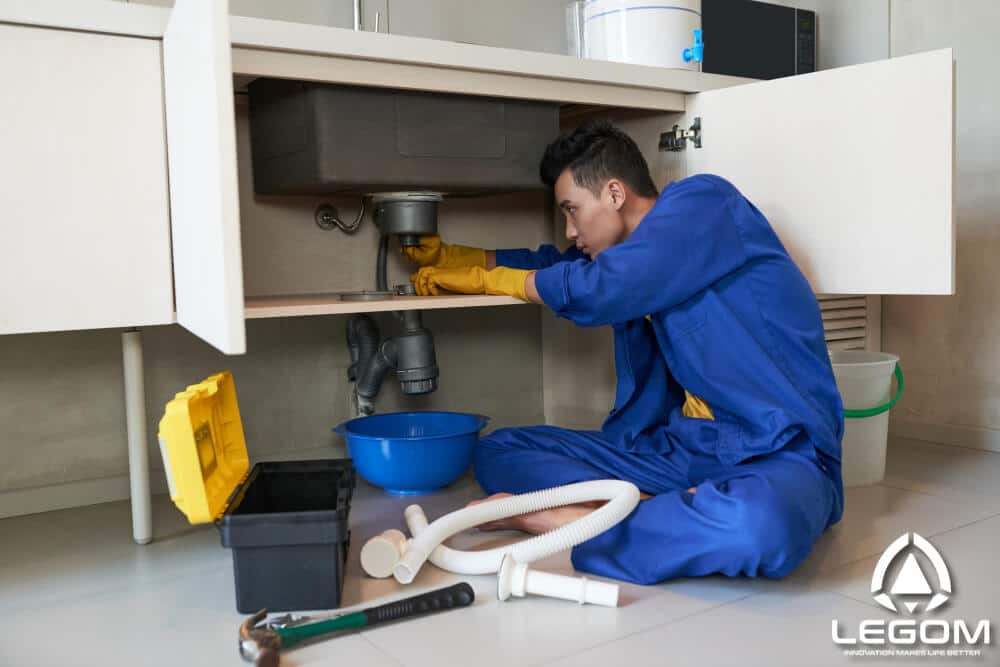
Homeowners may face plumbing issues, both minor and severe. These problems are bound to occur in any home or building over time, from leaky faucets to major pipe blockages. Plumbing issues can disrupt your daily routine and cause significant damage if left untreated. The best solution is often to find professional plumbing services.
Hiring professionals ensures the safest and most effective solutions. To do so, you must consider several key factors when deciding to hire a plumber. Knowing what separates a qualified professional from an unreliable one can save you both money and stress in the long run.
What Is a Professional Plumber?
A professional plumber is a skilled worker who specializes in installing, repairing, and maintaining systems used for water supply, drainage, heating, and sanitation. These systems play an important role in both residential and commercial buildings. They ensure that water is delivered safely and that wastewater is disposed of efficiently.
Professional plumber work includes installing pipes, faucets, sinks, toilets, water heaters, and other plumbing fixtures. This also includes reading blueprints to understand the layout of the plumbing system and ensuring all installations meet building codes and safety regulations. A professional plumber installs everything from floor heating pipes in hydronic underfloor heating systems to valves, manifolds, and water supply lines in residential and commercial properties.
These professionals often repair or replace faulty plumbing components, such as leaky pipes, clogged drains, malfunctioning water heaters, and broken faucets. Homeowners need regular maintenance to help prevent costly damage by identifying issues before they escalate. Problems such as uncontrolled pressure surges, for example, can lead to water hammer and pipe joint failure, which you can read more about in our article on water hammer prevention with modern pre-filters.
A professional plumber has the ability to diagnose complex plumbing issues and access various tools and techniques to identify problems in hidden pipes or within walls. They assess water pressure thoroughly, check for leaks, and identify blockages with precision. Plumbing work must also ensure that all systems are installed in compliance with local building codes and safety standards, as set out by bodies such as the International Association of Plumbing and Mechanical Officials. This compliance is important for preventing water contamination, backflow issues, and other hazards that can compromise health and safety.
Most plumbers hold certifications and licenses in addition to their expertise and experience. These qualifications confirm that they are knowledgeable about safety protocols and current industry standards. Hiring a licensed professional rather than attempting a repair yourself is almost always the more reliable and cost-effective decision when the problem involves anything beyond the most basic maintenance tasks.
Key Considerations When Choosing a Professional Plumber
Not all plumbing services are equal. Before hiring, it helps to understand what sets a strong professional apart. Here are the most important factors to evaluate.
Expertise and Experience
Handling plumbing problems requires professionals with genuine technical expertise and hands-on experience. They possess the knowledge to accurately diagnose and repair issues, having undergone proper training, earned certifications, and often spent years working across different types of properties. Their skills allow them to identify underlying problems that may not be obvious to a general handyman or to the homeowner.
For example, a simple clog might indicate a more serious drainage issue deeper in the system. When unskilled individuals attempt to fix such problems, they risk creating bigger issues and more costly repairs down the line. This is why it is essential to hire professionals who have demonstrable experience with the type of system in your property.
Access to Specialized Tools
Many plumbing repairs require specialized tools that are not found in a typical home toolbox. Professional plumbers have access to advanced equipment such as drain snakes, pipe inspection cameras, pipe cutters, and hydro-jetting machines. These tools allow them to perform repairs efficiently and with minimal damage to your property.
This advantage saves time, effort, and cost, while also preventing future losses from incorrectly diagnosed or incompletely resolved problems. A repair done with the right equipment the first time is almost always cheaper than a follow-up repair caused by inadequate tooling.
Long-Term Cost Savings
Although hiring a professional plumber may seem like a more expensive option upfront, it can lead to significant long-term savings. Professionals ensure repairs are done correctly the first time, reducing the likelihood of recurring issues. They also perform preventative maintenance, which extends the lifespan of your plumbing system and helps you avoid costly future repairs.
DIY repairs or hiring cheap, unqualified labor may provide temporary fixes, but these solutions often lead to more severe damage and greater expenses later. The initial saving is rarely worth the risk when dealing with water supply, drainage, or heating systems that affect the entire property.
Compliance with Building Codes
Plumbing repairs must comply with local building codes. Professional plumbers are familiar with these regulations and ensure their work meets the required standards. This is critical for both legal compliance and safety, particularly when selling a property or making an insurance claim where documentation of compliant workmanship is required.
Safety Awareness
Plumbing work can pose serious safety risks if not handled properly, especially when dealing with gas lines, high-pressure water, or malfunctioning water heaters. Professionals are trained to recognize these risks and take the necessary precautions to protect both your home and themselves during repairs. Attempting to fix high-pressure systems or gas-connected appliances without training is one of the leading causes of avoidable household accidents.
Efficiency and Minimal Disruption
Unskilled workers may take significantly longer to fix plumbing problems, leading to greater inconvenience for everyone in the building. Professionals can quickly diagnose and resolve issues, saving you time and minimizing disruption to your daily routine. In commercial settings, the cost of operational downtime while a plumbing issue goes unresolved can far exceed the cost of hiring a professional in the first place.
DIY vs. Professional: When to Call a Plumber
Not every plumbing task requires a professional, but many do. The table below provides a practical reference for when you can handle a job yourself and when calling a licensed plumber is the right decision.
| Plumbing Task | DIY Appropriate? | Risk If Done Incorrectly |
|---|---|---|
| Replacing a showerhead or tap washer | Yes (with basic tools) | Minor leak risk; low severity |
| Unblocking a slow drain | Yes (surface blockages only) | Deeper blockage if addressed incorrectly |
| Installing a new toilet | With experience only | Seal failure, leaks, potential floor damage |
| Repairing leaking pipes inside walls | No | Water damage, mold, structural issues |
| Installing a water heater | No | Gas or electrical hazard, code violation |
| Hydronic underfloor heating installation | No | System failure, manifold damage, heating inefficiency |
| Diagnosing water pressure issues | No | Unresolved root cause, continued pipe stress |
Preventative Maintenance
One of the best ways to avoid plumbing problems is to schedule regular maintenance with a professional plumber. During maintenance visits, plumbers inspect your system for potential issues, clean drains, check water pressure, and replace worn-out parts. They also inspect key distribution components such as manifolds in hydronic heating systems to confirm that water flow and pressure balance across all zones remain within the correct range.
For example, a plumber might identify a small leak that could become a major issue if left untreated. By addressing such problems early, you can save money and prevent significant damage to your property. Seasonal maintenance is particularly important for both plumbing and HVAC systems. In the winter, plumbers can protect your pipes from freezing, while HVAC professionals ensure your heating system is ready for the cold. Similarly, summer maintenance focuses on air conditioning efficiency and outdoor plumbing for gardens or pools.
For building owners and property managers who use Legom HVAC and heating components, professional plumber involvement in periodic maintenance also ensures that valves, manifolds, floor heating pipes, and associated fittings remain in compliance with installation standards and continue to deliver the performance and efficiency they were designed for.
Frequently Asked Questions
What does a professional plumber do that a handyman cannot?
A licensed professional plumber has completed formal training and certification in water supply, drainage, heating, and sanitation systems. This qualifies them to work on gas-connected appliances, high-pressure systems, and installations that must comply with building codes. A general handyman may handle surface-level repairs, but they typically lack the certification to work on systems that carry legal or safety compliance requirements. For anything beyond simple fixture replacement or surface drain clearing, a licensed plumber is the appropriate person for the job.
How do I verify that a plumber is properly qualified?
Ask to see their plumbing license before work begins. Licensing requirements vary by country and region, but most jurisdictions require plumbers to hold a recognized qualification from a trades body or government-approved authority. You can verify licenses directly with local building authorities or national trade bodies. It is also worth checking whether they carry liability insurance, which protects you if something goes wrong with the installation or repair. A reputable professional will have no hesitation providing these details upfront.
Is it worth hiring a professional plumber for a small job?
For very minor tasks like replacing a washer or cleaning a surface drain, you can often handle it yourself. However, even small jobs can reveal larger underlying issues that only a professional can properly assess. A plumber inspecting a slow drain, for example, may identify a partial blockage further down the system that would eventually become a complete blockage and cause property damage. The cost of a professional visit for a minor job is often worth it for the peace of mind and the diagnostic value that comes with the call.
How often should I schedule professional plumbing maintenance?
Most plumbing professionals recommend an annual inspection for residential properties and more frequent checks for commercial buildings or properties with complex systems such as hydronic underfloor heating. During an annual inspection, a plumber will check water pressure, inspect visible pipe connections, test drainage, review valve conditions, and look for early signs of corrosion or wear. Properties in regions with very hard water or those with older pipe materials may benefit from checks every six months to catch scale buildup or corrosion before it becomes a significant problem.
What are the most common signs that I need to call a professional plumber immediately?
You should call a professional plumber without delay if you notice any of the following: a sudden and significant drop in water pressure throughout the property, water stains appearing on ceilings or walls that suggest a hidden leak, sewage odors inside the building, water that is discolored or has an unusual taste, banging or knocking sounds in the pipes (which can indicate a water hammer issue or loose pipe supports), or a water heater that is failing to reach or hold temperature. Any of these signs suggests a problem that goes beyond surface maintenance and requires professional diagnosis and repair.
Reviewed and updated by the LEGOM Technical Team on May 18, 2026. This article covers why professional plumbing services are essential, the key factors to consider when choosing a plumber, and the value of preventative maintenance for both residential and commercial plumbing and HVAC systems, based on Legom’s experience as an HVAC and plumbing component manufacturer supplying solutions to partners in more than 90 countries worldwide.