
Temperature monitoring in factories or areas that produce heat requires several safety devices. One of them is a temperature limiting valve, which helps prevent excessive temperature from entering the system, along with excess pressure and vacuum. The heating industry consistently operates installations that already include this kind of safe temperature limiter.
Heating installations also use a combination of several control units in addition to temperature limiters. On the upstream side, the temperature limiter works together with a thermostat, a safety temperature monitor, and a temperature controller. When excessive heat occurs, the temperature limiting valve opens to divert the heat.
The closed loop and open loop control units then work to ensure the plant can operate safely. This control function operates according to the time you have set, once the system reaches the temperature limit you specified. The design for this safety temperature limiting valve follows a mechanical temperature system, with temperature detection based on the principle of liquid expansion. All installations that can generate heat should include a temperature-limiting safety function, and there are standards you must follow so that its use is always safe.
It is worth noting that “temperature limiting valve” is a broad term. Depending on the application, the protective function may be delivered by a dedicated safety temperature limiter, a thermostatic mixing valve that caps outlet water temperature, or a temperature and pressure relief valve. Choosing the right one depends on whether you need to limit delivered water temperature, relieve dangerous pressure, or both.
Temperature Limiting Valve on Water Heaters
Most water heaters are set between 120 and 140 degrees Fahrenheit. Lowering the temperature to 120°F can save up to 20% on heating costs. Temperature limiting valves help ensure water remains at a safe temperature, preventing scalding.
Homeowners should set their water heater thermostats to avoid overly hot water. Advanced thermostats allow for automatic and remote temperature regulation, while gas water heater controllers typically have manual settings with labels such as HOT, VERY HOT, or LOW. Adjusting these settings can save energy and reduce heating costs. For households with young children or elderly occupants, pairing the water heater with a thermostatic mixing valve adds an important second layer of scald protection at the point of use.
Dimensions and Specifications of Temperature Limiting Valves
Temperature-limiting valves come in various dimensions and specifications. Quality units typically feature a corrosion-resistant electroplated body and handwheel, ensuring durability in continuous hot water service. The example below shows the specifications of a representative Legom thermostatic mixing valve used for safe water temperature limiting.
Example: HFT33006Z-01 Thermostatic Mixing Valve

The Legom HFT33006Z-01 thermostatic mixing valve caps delivered water temperature with ±2°C accuracy, protecting against scalding at the tap.
| Specification | HFT33006Z-01 |
|---|---|
| Valve connection thread | G1/2 |
| Cold water temperature | 5–29°C |
| Hot water temperature | 30–99°C |
| Adjustment range | 20–60°C |
| Working pressure | 0.03–1 MPa (0.3–10 Kg) |
| Ideal pressure | 0.1–0.5 MPa (1–5 Kg) |
| Accuracy | ±2°C |
| Body and handwheel | Full electroplated finish |
“People often use the term temperature limiting valve as if it refers to a single product, but in practice the safety job is shared across a few different valves. A thermostatic mixing valve caps the temperature of the water that actually reaches the tap, which is what prevents scalding. A temperature and pressure relief valve handles the dangerous combination of overheating and overpressure inside a water heater. The mistake I see is people fitting one and assuming they are covered for the other. For full safety on a hot water system, you usually want both working together, each doing the job it is designed for.”
— Maggie Shen, Founder of Legom
Legom Solutions
Legom offers high-quality HVAC valves, including the Legom TP Valve for temperature and pressure relief, and the Legom TMV for safe water temperature limiting, across a range of applications. These valves support system safety and efficiency, contributing to sustainable living by enhancing energy efficiency and reducing carbon footprints.
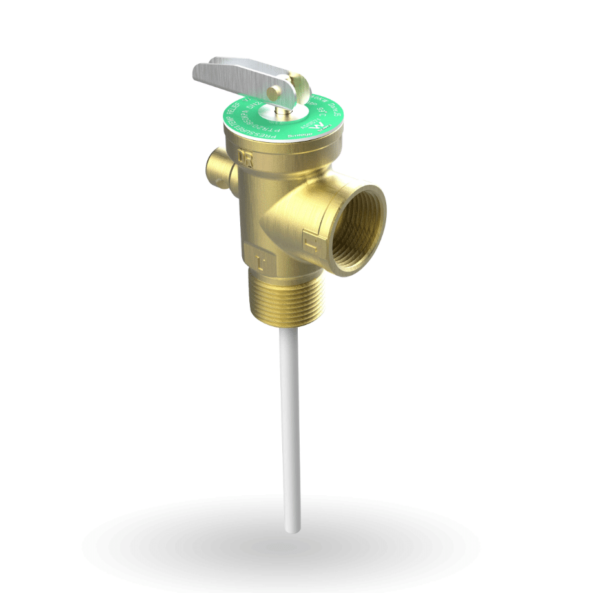
The Legom 930004NT temperature and pressure relief valve protects a water heater tank by releasing water if temperature or pressure rises to a dangerous level.
Legom’s HVAC components can be purchased through the website or marketplaces like Alibaba. Contact the Legom team to confirm the right valve for your specific safety requirement.
Frequently Asked Questions
What is a temperature limiting valve used for?
A temperature limiting valve is a safety device that prevents a system from exceeding a set temperature, protecting both equipment and people. In industrial heating installations, it works alongside thermostats and safety temperature monitors to divert heat when the system reaches its temperature limit. In domestic hot water systems, the temperature-limiting function is typically delivered by a thermostatic mixing valve, which caps the temperature of the water reaching the tap to prevent scalding. The specific valve you need depends on whether you are protecting an industrial process or limiting delivered water temperature in a home.
What temperature should a water heater be set to?
Most water heaters are set between 120 and 140 degrees Fahrenheit (roughly 49 to 60°C). Setting the heater to 120°F can reduce heating costs by up to 20% and lowers the risk of scalding. However, very low storage temperatures can allow Legionella bacteria to grow in the tank. A common safe approach is to store water at a higher temperature to suppress bacteria, then use a thermostatic mixing valve to reduce the delivered water to a safe temperature at the tap. This balances energy saving, bacterial safety, and scald protection together.
What is the difference between a TMV and a TP relief valve?
A thermostatic mixing valve (TMV) blends hot and cold water to deliver water at a safe, constant temperature, preventing scalding at the tap. A temperature and pressure (TP) relief valve is a safety device on the water heater itself that opens to release water if the temperature or pressure inside the tank rises to a dangerous level, preventing the tank from rupturing. They serve different purposes: the TMV protects the user from hot water at the outlet, while the TP valve protects the tank from catastrophic failure. A complete hot water system typically needs both.
Reviewed and updated by the LEGOM Technical Team on July 16, 2026. This article covers temperature limiting valves as safety devices in heating systems and water heaters, including how they work, recommended water heater settings, and the specifications of the HFT33006Z-01 thermostatic mixing valve, based on Legom’s experience as an HVAC valve manufacturer.