
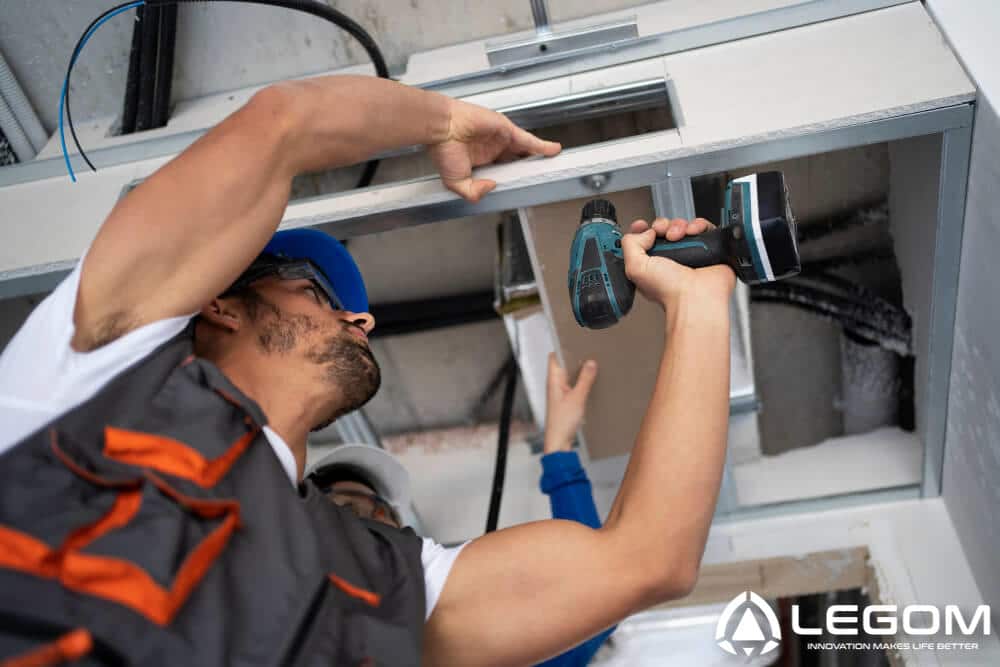
It is important to have a proper HVAC installation process. This will lead to several benefits such as obtaining optimal performance of the system, having energy efficiency and creating long term reliability.
On the contrary, poor installation will also lead to inefficiency, increased energy consumption which means increased energy costs, and several failures on the work system which means to the needs for frequent maintenance issues, this will also lead to increased spent budget.
So, one should make a proper HVAC installation process in the initial base. This initial investment means so much in long term system work. It can contribute to the comfort of the house and house owners as well. The following is a brief explanation to have successful HVAC installation that delivers effective benefits:
Contents
Conduct a Site Assessment
Before installation, it is necessary to obtain thorough information and description about the location or site where there is the HVAC installation. This is called a detailed site assessment. This assessment ensures the HVAC system matches the building’s requirements and surrounding environments.
There should be a thorough examination on some aspects and tools in the surrounding environments. These cover heating and cooling units, ductwork, and controls. The examination will also be on looking for any damage and signs of failure. It is also for signs of lightning, fire, mold, and other damages.
This examination ultimately creates an evaluation on the overall performance systems. It includes airflow, temperature control, and indoor air quality.
There should also be calculation of load in the surrounding environment. The calculation can use Manual J or other equivalent tools in order to determine the building’s heating and cooling load. The inspection should also check the conditions of existing infrastructure. This should assess ductwork, insulation, and electrical systems.
By having site assessment prior to the installation, it can prevent any under or over-sized systems. It also ensures compatibility with the building’s design and avoids any mistake to the real condition and situation.
Select the Right System
The aforementioned site assessment will lead to having an HVAC system based on the building’s needs and energy efficiency goals. There are some types of the systems to be chosen such as centralized systems, split systems, ductless mini-splits, or heat pumps. The system can also cover special requirements such as air purification, humidity control, or zoning options if required.
The selection of the right system serves a crucial role in the installation and work of the systems. It can maximize energy efficiency and performance. It can also provide tailored comfort for the space.
Plan and Design Ductwork
In the HVAC systems, ductwork design serves a cornerstone in its work. Its functions are to control heating, cooling, and air movement within buildings. There will be an efficient airflow if there is an understanding of fan operation, air distribution, and room ventilation.
So, it is important to choose the right type of ductwork such as flexible or rigid ducts as also vital to meet specific system requirements. There are also some types of proper duct design and installation as a critical issue for airflow and efficiency.
About the size and layout of the duct design, it can use Manual D in order to have correct sizing. All joints should be sealed with mastic or foil tape to prevent air leaks. There may be duct insulation in unconditioned spaces to avoid energy loss.
The benefits of this duct design is to ensure balanced airflow throughout the building. It is also to reduce energy loss and improve system efficiency.
Install Equipment with Precision
Correct and proper installation of the HVAC system components is by following manufacturer guidelines. For example, about the position of outdoor units, it should place the units in a shaded, well-ventilated area. It should also ensure clearances for airflow and accessibility.
There should also be the correct position of mounting indoor units. This is by positioning air handlers or evaporator coils near central areas in order to have even distribution. The right position will also impact to create proper condensate drainage.
The precise installation of the equipment is also related to refrigerant lines and connections. The refrigerant lines should be in proper connections in order to avoid any kinks or leaks. To notice any leaks, there can be prior tests using pressure tests and vacuum pumps.
Proper and precise installation of the equipment will prevent system failures due to improper installation. It can also optimize airflow and cooling or heating efficiency.
Test System Performance
After the installation process is completed, it is recommended to have post-installation testing. It is to ensure the system operates as intended. The test can check on pressure and leak tests to confirm refrigerant lines are sealed and functioning.
The test can also check airflow balancing by adjusting dampers and registers to ensure consistent airflow. Temperature and humidity are also for post-installation checks. It is to verify the system maintains desired comfort levels. The post-installation check will identify and resolve any installation issues early and also confirm the system delivers peak performance.
Not only after the installation, there should also be scheduled follow-up inspection to ensure that the systems work properly based on each function after installation.
Final Note
All of these steps in HVAC installation processes cover careful planning, precise execution, and thorough testing. By following these critical steps, it is expected to have the proper functions of the HVAC systems.
“Remember, A well-installed HVAC system can perform efficiently for years, but poor installation and products can cause constant problems. The difference really starts on day one.”
— Maggie Shen, Founder of Legom